
Is authenticity a bad word? In our industry, sometimes it feels like it.
“Authentic” is so often used to describe a brand’s campaign success that it’s almost lost its meaning and become a harbinger of its antithesis. So then… How do brands prove it?
Emily Tumminia from The Magnum Ice Cream Company is unafraid. She faces this quandary head on, giving the word new life.
Her career began at Anheuser-Busch InBev in a rotational program, now she’s the US Influencer Marketing Associate Manager at Magnum Ice Cream. Her early exposure to partnerships across talent, entertainment, and influencers led to a passion for spearheading genius collaboration in our relatively new realm of marketing. Plus, she loves ice cream –what a dream job!
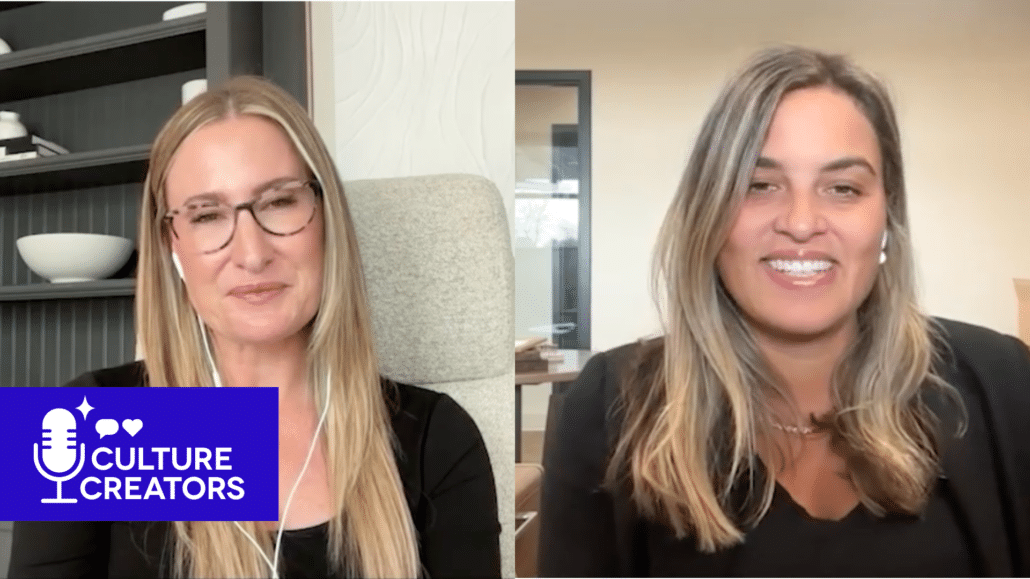
Our fabulous Denise Vitola, VP of Brand Strategy, sat down with Emily to get her POV on Magnum’s recipe for successful creator campaigns.
Gen Z, The Generation du Jour, and The Bad Word
To Emily, “authenticity” regains its meaning when backed up by action. “I know that’s everyone’s favorite word,” she says, but it’s important. “And transparency,” she adds. For Magnum, the action behind authentic content lies in uplifting voices instead of forcing their own. Allowing creators to lean into their own style is essential to how Magnum approaches their partnerships.
Gen Z, the generation that Emily belongs to, “has always been the talk of the town,” as she puts it. “Gen Z really values authenticity and belonging, and, honestly, can see through when a brand might be doing something that’s fake –or a little bit B.S.”
It’s a generation with arguably the most influence over the consumer market, even with Gen Alpha creeping in. Above all, it’s also a value-motivated generation when it comes to purchase decisions and brand discovery. When Magnum lets creators lead the storytelling, overly scripted messaging goes out the window. The result is a conversation that finds an audience that’s locked in and ready to chat.
Platform Bingo
A key part of this big authentic picture is knowing how to play platform bingo. The “one piece of content across all platforms” strategy no longer works. Emily says that brands win when they create native content for a specific space.
Social media ecosystems have evolved beyond Instagram, and brands need to show up where their audience is and fit seamlessly into the given environment. Emily breaks down how she views the main targets of their platform-native strategy:
“On TikTok, we tend to see more of that community-building, LoFi content, whereas more of that brand-building and inspirational content is where we try to put things on Meta. So, having that clear understanding of the distinctions of each platform and where Gen Z spends their time is crucial for us.”
To break it down even further, here you go!
Platform Cheat Sheet:
- TikTok: Community-building, LoFi content, trends.
- Meta/Instagram: More polished brand-building and inspiration.
- YouTube: Long-form storytelling and deeper engagement.
The Popsicle Reveal: A Case Study
As a case study, Emily brings up Magnum’s genius partnership with Jake Shane and their Popsicle brand.
Creator Jake Shane already loved Popsicle and created extremely fun “popsicle reveal” videos. Magnum’s team leaned into that existing organic behavior and delivered something that was a literal “dream come true” for him. The collaborative content series featured his limited-edition all-cherry popsicle and included a giveaway activation.
The campaign resulted in a relationship with the creator that extended beyond just a one-time post, which, in turn, developed a more meaningful relationship with the audience. It wasn’t just “talk about our existing products,” it was “here’s something original that you can talk about,” Denise comments. It’s all about taking influencer 360, as Emily says.
Taking Influencer 360
How does one take influencer 360, you ask? “Influencer on its own is powerful, but it’s more important as part of a 360 campaign,” Emily proclaims, and “Jake was a perfect example.”
Successful creator campaigns combine PR, paid social amplification, retail promotions, and activations. This is how you take influencer 360. It’s making the content come full circle. Emily goes on to dish about their amazing Talenti taste makers campaign –you’ll have to check out the episode for the full scoop!
When large brands struggle with speed, a 360 campaign can also ease the pressure of trend-hopping. But don’t get it twisted: trends are still important. “When jumped on correctly, trends can be amazing for your brand,” Emily says. It can be a big part of staying “always-on.” But, of course, that’s something we tend to talk a lot about in our industry as well.
So, what’s Emily’s take?
How Magnum Stays Always-On
Staying “always-on” means moving fast –but it’s not as easy as it sounds. “Going into next year, we’re really excited to have always-on programs for nearly all of our brands,” Emily announces. And this move requires a creator roster. “If we see something pop up, we’re quickly able to tap them on the shoulder.”
At Mangum they have a mix of flavors in their recipe to keep the energy going: long-term relationships with their “always-on roster” and striking up new relationships with “pulse creators.” Emily also asserts that having a good melange of chronically online internal folks is vital. Having people across functions and teams on the look-out allows the brand to cover more ground and get varied perspectives on what’s a relevant conversation to tap into. Additionally, it helps in keeping platform native strategy tuned in.
Emily surmises: “I think always having your finger on the pulse across all the teams and not just having that be your social team or your influencer team is really important.” A robust crew also creates more agility; more hands are at the ready to identify, vet, strategize, and execute.
When it comes to trends, though, you also have to be picky. “I think we see trends as kind of complementing our work rather than having them take the lead. Jumping on every trend, even those that might not fit with our strategy, is not the right approach in our opinion,” Emily says. She uses their Breyers French Toast trend-based campaign as a shining example. The set up was already there, all they had to do was walk in –well, not exactly. The effort took a collaborative lift from their R&D team, UCG content development, and paid social support to name a few pieces of the puzzle. You’ve got to tune in to get the whole picture.
What Makes Up an Influencer Marketing Budget?
All this talk about ice cream campaigns makes us hungry –we mean curious. Curious about budgets. Influencer marketing sprung up on us fast and it’s not slowing down. So, where have these budgets been pulled from with such short notice?
Emily says: “I do think a lot of it is from other areas that are kind of being moved now into the influencer space because brands and companies are realizing the value and sales impact… I really do think a lot of it’s coming from other areas and not much of it is new money at all.” A little from TV commercials, a little from experiential maybe? After all, with a 360 creator campaign, it all feeds back into where it pulls from.
A Recipe for Rapid Fire Momentum
Just like our industry, we like to move fast (and learn from it –IFYKYK). So, we, of course, close out with a little rapid fire. You gotta listen to the full episode to get the full squeeze, though –duh.
Please enjoy: Influencer Marketing á la Emily
- ½ a cup of Robert Irwin compilations
- A pinch of PR
- 2 cups of coffee
- 1 scoop of puppy dogs
- 2 teaspoons of incredible community
- A whole heap of developing your strengths
“Influencer marketing is only beginning,” Emily forecasts, “it’s crazy still how young and early on it is within the marketing space. It’s an exciting place to enter.”
We can’t wait to see what Emily whips up next!
For more from our Culture Creators series, head here.
Want more updates? Subscribe to our newsletter at www.linqia.com/subscribe to never miss what’s new in influencer marketing and social media.